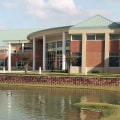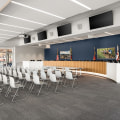
Conferences held across Montgomery County offer more than networking and professional development—they quietly expose the realities of aging commercial appliances. Hotels, conference centers, churches, and municipal buildings often host multi-day events that place sustained demand on kitchens, break rooms, and support facilities. When hundreds of attendees rely on coffee stations, catering kitchens, refrigeration units, and warming equipment for hours at a time, weaknesses in older appliances quickly surface. These events act like stress tests, revealing performance issues that day-to-day operations may mask.
High-Volume Use Brings Hidden Wear to Light
During conferences, appliances are rarely given time to rest. Coffee makers cycle continuously, refrigerators are opened repeatedly, and warming ovens operate for extended periods. Aging commercial appliances that perform adequately under normal conditions may struggle under this intensity. Compressors overheat, thermostats drift, and electrical components begin to fail intermittently. What might look like a minor hiccup during routine use becomes a noticeable disruption when dozens of people are waiting. These moments highlight how age-related wear accumulates silently until volume and duration push systems past their limits.
Inconsistent Performance Signals Deeper Problems
One of the most common signs revealed during conferences is inconsistent appliance behavior. A refrigerator that holds temperature overnight may struggle during peak daytime use. Dishwashers may leave residue after multiple back-to-back cycles. These inconsistencies are often dismissed as isolated incidents, but conferences show patterns. Repeated strain exposes declining efficiency, weakened seals, and sensors that no longer respond accurately. The issue is not always total failure, but unpredictability—an especially costly problem in professional settings where reliability is expected.
Temporary Fixes Versus Long-Term Reality
Conference organizers and facility managers often resort to temporary solutions when appliances falter mid-event. Ice chests replace failing refrigerators, backup warmers are rolled out, or staff manually adjust settings to compensate for performance drops. While these workarounds keep events moving, they also delay addressing the underlying issue: aging equipment nearing the end of its functional life. After the conference ends, urgency fades, and appliances return to lighter use—until the next event repeats the cycle.
Energy Efficiency Gaps Become Obvious
Another revelation during Montgomery County conferences is how inefficient older appliances have become. Extended operation makes energy waste visible through excessive heat output, longer recovery times, and higher utility demands. Newer equipment is designed to maintain performance under load with less energy input, while older models often compensate by working harder. Conferences magnify this inefficiency, making it clear which appliances are consuming more resources than they should and contributing to higher operating costs year-round.
The Overlap Between Commercial and Residential Lessons
Interestingly, the lessons learned from conference-driven appliance stress often translate to residential environments as well. Homes hosting large gatherings or holiday events experience similar patterns, though on a smaller scale. This is why service professionals involved in residential appliance repair in The Woodlands, TX often recognize the same aging-related issues seen in commercial settings—overheating, sensor drift, and airflow limitations—just triggered by different usage patterns.
Maintenance Gaps Exposed by Peak Demand
Conferences also reveal maintenance gaps that routine inspections may miss. Filters that haven’t been cleaned, coils coated with dust, or door gaskets losing elasticity all become problematic under heavy use. These issues may not cause immediate failure but significantly reduce an appliance’s ability to handle sustained demand. Conferences don’t create these problems; they simply expose them faster.
Planning for Reliability, Not Just Function
What Montgomery County conferences ultimately reveal is that aging commercial appliances can still function—but not always reliably. Reliability, not basic operation, is what matters most in high-demand environments. Conferences highlight the difference between equipment that “works” and equipment that performs consistently under pressure. For facility managers, these events provide valuable insight into which appliances need proactive maintenance, strategic replacement, or operational adjustments before small issues become major disruptions.
When Events Become Diagnostic Tools
In a way, conferences serve as diagnostic tools for buildings and their equipment. They compress months of wear into a few days, showing exactly how appliances respond to stress. Paying attention to what fails—or nearly fails—during these events allows organizations to make informed decisions. The takeaway is clear: aging appliances don’t announce their decline quietly, but when demand spikes, they speak loudly.